Event

LightspacePost an Event »

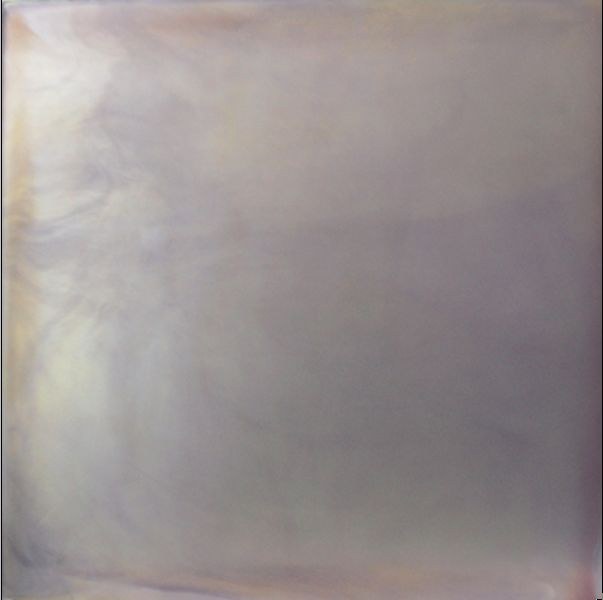
Lightspace Keira Kotler, December 6, 2010 to February 3, 2011 [I Look for Light], urethane and varnish on acrylic, 30 x 30 inches
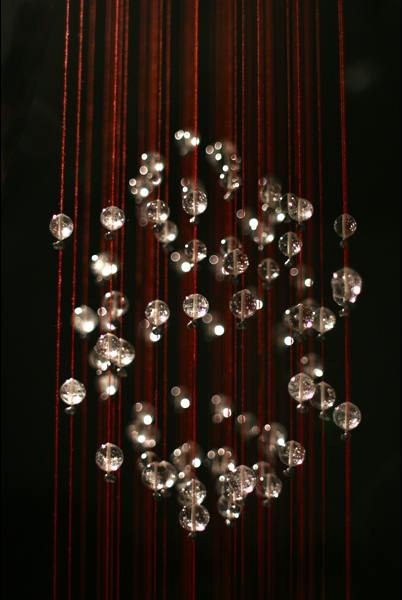
Opening Reception August 5, 2011, 6 - 9 pm Open during Oakland Art Murmur September 2, 2011 In the spirit of the 1960’s Southern California Light and Space movement, the works in Lightspace incorporate light as a means of bringing the viewer’s attention to his or her own perception. In doing so, the viewer is invited to become more present--more conscious of the here and now. Entering a light projection installation by Amy M. Ho is reminiscent of entering one of James Turrell’s constructed light environments. In Ho’s Wall Space III, what appears to be a curved corridor illuminated at the far end is a nearly seamless continuation of the gallery’s architecture. Like photographer James Casebere, Ho photographs constructed architectural models, which she then projects as room-size installations. In these mysterious, meditative immersive spaces, one’s perception and comprehension of the physical surroundings transform with prolonged viewing. Kana Tanaka’s mesmerizing suspended glass installations explore light and visual perception. Dozens of threads or extremely fine strands of extruded glass cascade down from the ceiling to create a diaphanous cloud in which glass droplets appear suspended, sometimes coalescing into a plane or singular form. At certain angles, the glass strands and droplets are nearly invisible, requiring the viewer to shift positions in order to see them; at other angles, light infuses and sparks off the glass. These magical effects are alluded to in Mary Corse’s paintings with glass micro-spheres and Robert Irwin’s acrylic columns, but Tanaka pushes the envelope by treating glass as an atmospheric ingredient, creating its own perception-rich environment. Keira Kotler’s experiential I Look for Light paintings also invite the viewer to move in relationship to the artwork because the surface qualities change accordingly. She builds thirty to ninety layers of translucent pigmented urethane, one layer per day, on mirror-coated acrylic panels. These light-imbued, plastic-based paintings with shifting hues and luminosity within almost monochromatic fields recall the sculptures of DeWain Valentine and Craig Kauffman. Kotler’s Cut Paintings recall Robert Irwin’s exploration of translucency, light, shadow and their ability to visually define or dissolve form. In these, she excises geometric shapes from surfaces painted on the reverse sides of etched acrylic panels. The light-diffusing panels float away from the wall, casting shadows and around their edges as well as through the areas of removed pigment, through which light is also transmitted, creating complex visual subtleties noticed slowly over time. Also interested in visual sensation and partly inspired by her father’s hallucinations after losing his sight, Cathy Cunningham-Little creates soft-focus images of emitted colored light. Using neon within light boxes diffused by plastic, fabric and other materials, she creates glowing concentric circles, squares and slits. Unlike Dan Flavin’s bare neon tubes, Cunningham-Little’s light sources are obscured within a haze of blurred color. Here again, the viewer’s position impacts perception—some of the artworks’ centers appear larger and lighter as one moves closer and smaller and darker when one moves further back. In Cunningham-Little’s words, “After a few minutes of viewing, these pieces are transformed through our own perceptual physics, encouraging awareness of the state of our consciousness and the shape of our perception.” - Chandra Cerrito, Curator Gallery Hours: Thursdays and Fridays 2-6pm; Saturdays 1-5pm
Lightspace Kana Tanaka "New Mothers Imagination", 2011, glass and thread, 120 x 30 x 40 inches
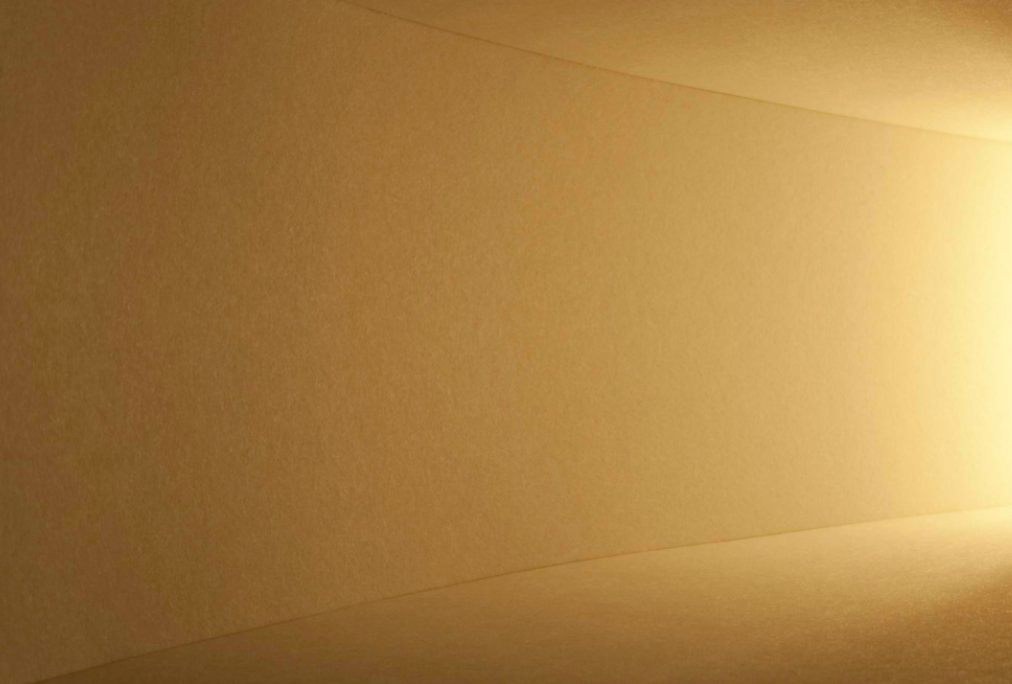
Lightspace Amy M. Ho, Wall Space III, 2010, single panel projection, dimensions variable
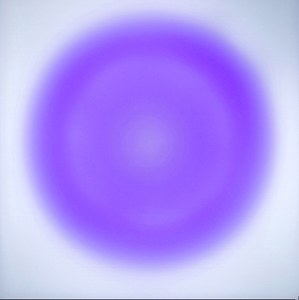
Lightspace Cathy Cunningham-Little, "Little Blue Dot for Meditation", 2011, neon, mixed media, 36 x 36 x 8 inches