
Event
A Day in the Life: The World of Humans Who Use DrugsPost an Event »
Tenderloin Museum
July 27 - July 27, 2017Info
- http://tenderloinmuseum.org/
- 415-351-1912
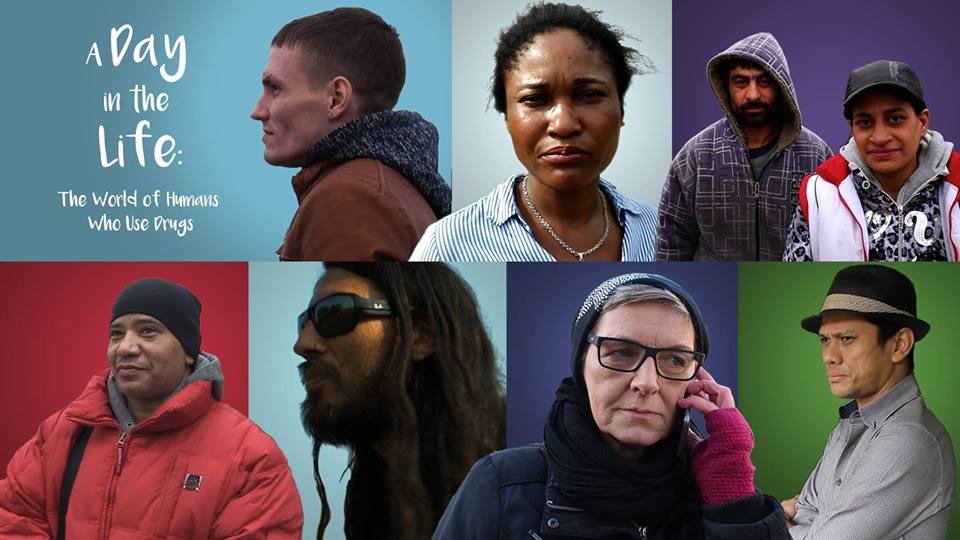 A Day in the Life: The World of Humans Who Use Drugs
The film A Day in the Life: The World of Humans Who Use Drugs takes us through one day in the life of eight people, from seven cities, in seven different countries of the world, from morning until night. They all have something in common - all of them use drugs. But these people are not defined by their drug use. All of them have their unique personalities, stories, and social networks. And the environment in which they live, the attitudes they face, the laws that regulate drug use, and the health services available to them have an enormous impact on their lives. It strives to challenge our common myths and preconceptions about drugs and the people who use them. It gives a voice to those representing one of the most marginalized communities of our world, and shows how they engage in social activism to break the silence and fight the stigma that shadows their days. Join us for a screening of the film at the Tenderloin Museum on July 27th at 6:30/7, and a panel discussion following the film with Eliza Wheeler (Drug Overdose Prevention and Education Project Manager), Taeko Frost (Filmmaker & co-producer of A Day in the Life), Holly (International Harm Reduction Activist), Isaac Jackson (Director of Urban Survivors Union), Janet Ector (LEAD & Harm Reduction Program Coordinator at Glide), and Paul Harkin (HIV/Hep C & Harm Reduction Program Manager at Glide). These leaders in the field of harm reduction will discuss plans to bring supervised drug consumption services (SCS) to California to promote health, dignity, and respect for people who use drugs. San Francisco has an estimated 22,500 people who inject drugs. Due to lack of accessible and affordable housing options, many people don't have any other choice except to use drugs in public places. Public drug use is associated with increased risk of HIV and hepatitis C transmission, and amidst the opioid overdose epidemic, many people are dying from preventable overdoses.