
Event
Mungo Thomson: Wall, Window, or Bar SignsPost an Event »
Read Our Review »Kadist Art Foundation
September 17 - November 1, 2014Info
2401 Folsom Street San Francisco, CA 94110 Google Map »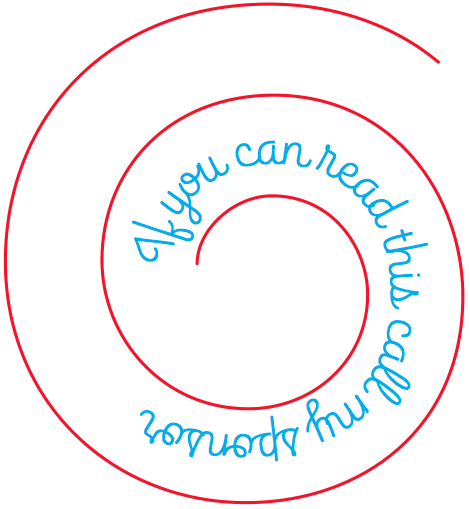
On Wednesday, September 17, Kadist Art Foundation presents Wall, Window or Bar Signs, an exhibition of newly commissioned neon signs by Los Angeles-based artist Mungo Thomson. The exhibition is curated by Joseph Del Pesco, and will be accompanied by a publication, The Big Book, designed by Jon Sueda and StripeSF.
For Wall, Window or Bar Signs, Thomson is producing his first neon signs in a project that is informed by the proximity of Kadist’s S.F. venue and Bruce Nauman’s former studio, where in 1967 he made some of his first neon works. "The True Artist Helps the World by Revealing Mystic Truths (Window or Wall Sign)" was prompted by a neon beer sign already hanging in the window of Nauman’s studio, a space that had previously been a grocery. Unlike most artists at the time, Nauman chose to work with neon in a way that preserved its commercial context but détourned its content. Hanging his own sign in the window of his studio, and radically altering its tone of voice, he delivered a quixotic micro-manifesto for artists.
In 1999, while an MFA student at UCLA, Thomson claimed Nauman’s famous phrase for a 3’ long holographic vinyl bumper sticker modeled on 12-step and recovery program merchandise (“Easy Does It,” “One Day at a Time,” “Let Go and Let God”). Fascinated by the public branding of private struggle, Thomson distributed it among students, artists and friends, who displaying it on their cars, assumed membership in an alternate but related version of a dysfunctional and cultish subculture: that of the artist.
For his exhibition at Kadist, Thomson inverts his own bumper sticker work for a new series of neon signs. Expanding upon the pseudo-spiritual vernacular of Nauman’s original sign, these works place slogans and philosophical sound-bites from 12-step and self-help literature into neon spirals. The phrases range from the generally motivational or affirming (“As you go through life make this your goal, watch the donut not the hole”) to those that could be referencing the making and exhibiting of art (“I don’t know the to key to success, but the key to failure is trying to please everybody”) to those that refer tautologically to the spiral form itself (“If you can read this call my sponsor”).
These authorless aphorisms and motivational mantras address symptoms common to the behavior of the artist and the recovering addict: lifetime commitment and daily fortitude, compulsion and control, anxiety and regret, egomania and delusion, competition and resentment, and the hope of the ultimate fulfillment of individual vision within a network of support and common thought. The project attempts to adapt the banners, in-on-it phrases, and testimonials-of-membership of one subculture for use by another.